Why Modern Retailers Need an Omnichannel POS in 2026: Stay Competitive, Boost Revenue & Future‑Proof Your Business
Why Modern Retailers Need an Omnichannel POS in 2026 is no longer a buzz phrase; it’s the baseline for staying profitable.
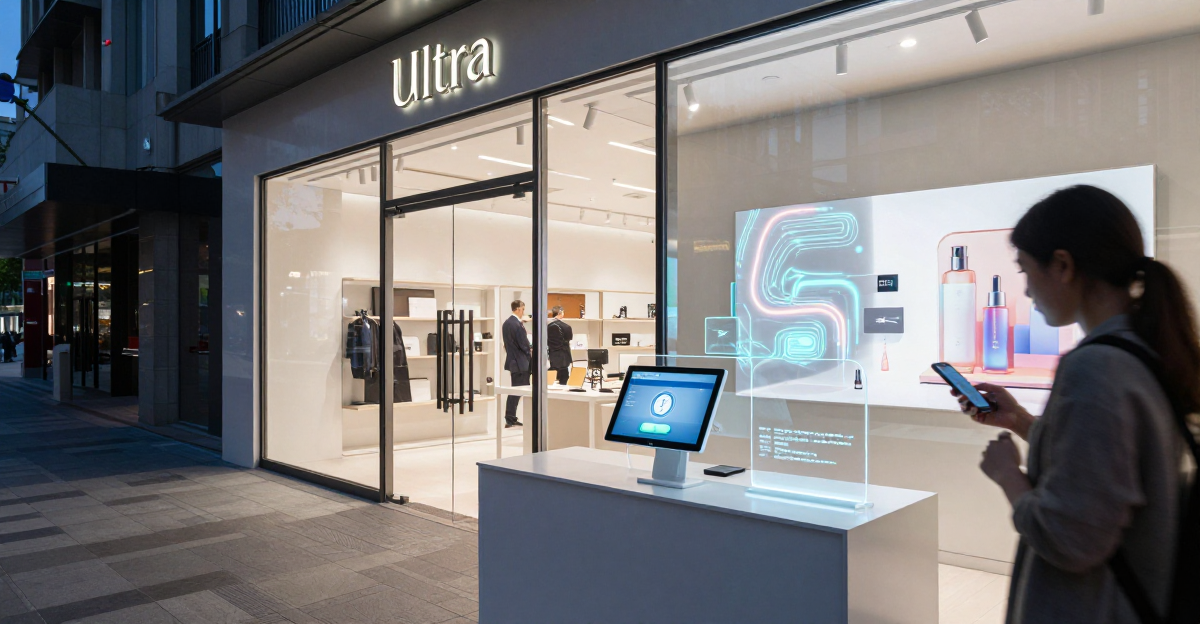
In 2026 the retail battlefield is reshaping faster than ever—rising consumer expectations, hyper‑competitive marketplaces, and the surge of “shop‑anywhere” habits are forcing brands to rethink every transaction. That's why the question “Why Modern Retailers Need an Omnichannel POS in 2026?” has become a boardroom mantra, echoing the same urgency you see in today’s omnichannel shopping in 2030 forecasts. A modern, cloud POS system doesn’t just process sales; it stitches together in‑store, online, mobile, and even curb‑side experiences into a single, data‑rich conversation, giving you the agility to stay competitive, boost revenue, and future‑proof your business.
In this guide we’ll demystify what an omnichannel POS really is and how it differs from legacy cash registers, walk through the top omnichannel POS benefits—including cross‑channel loyalty, AI retail analytics, and BOPU solutions—and reveal a step‑by‑step implementation blueprint that turns a fragmented stack into a unified commerce platform. You’ll also get a practical ROI calculator to quantify the financial upside, plus a glimpse at emerging retail technology trends 2026 that will position your brand for success well into 2030 and beyond.
The Retail Landscape in 2026: Pressure Points Driving Change
Why Modern Retailers Need an Omnichannel POS in 2026 is no longer a buzz phrase; it’s the baseline for staying profitable. Today’s shoppers glide between a storefront, a mobile app, and a social‑media checkout in minutes, and any break in that journey costs revenue. The pressure points listed below illustrate why a unified commerce platform has become essential.
- Blended experiences: Customers expect to browse in‑store, add to cart on a phone, and finish checkout online without friction.
- Real‑time inventory: Stock levels must update instantly across every channel to avoid overselling.
- AI personalization: Algorithms need fresh transaction data to recommend the right product at the right time.
- Pure‑play competition: Marketplace sellers scale with cloud POS foundations, forcing traditional retailers to match speed.
- Privacy regulations: New data‑privacy laws require secure, cloud‑based POS architectures.
First, the move from brick‑and‑mortar‑only to blended shopping means the point‑of‑sale must act as a data hub. A legacy register that only records cash transactions cannot synchronize inventory with an e‑commerce site or a click‑and‑collect kiosk. The result is lost sales, duplicated orders, and frustrated shoppers—exactly the problem that omnichannel POS benefits solve.
Second, consumers now demand seamless, real‑time inventory visibility. When a shopper scans a barcode in‑store and sees “2 left,” they expect the same figure on the brand’s website seconds later. Cloud POS systems keep a single inventory ledger in the cloud, powering cross‑channel loyalty programs where points earned online can be redeemed in‑store.
Third, AI retail analytics are reshaping purchase decisions. Personalization engines rely on up‑to‑the‑minute sales data to surface relevant products. If the POS cannot push that data instantly, the engine works with stale information, lowering conversion rates. An omnichannel POS that streams transactions to AI models in real time boosts omnichannel POS ROI by turning every sale into a data point for smarter offers.
Fourth, pure‑play e‑commerce and marketplace sellers operate on cloud‑native POS platforms that enable rapid SKU additions, dynamic pricing, and global fulfillment. Traditional retailers stuck with on‑premise systems struggle to launch flash sales or limited‑edition drops across multiple channels. Switching to a cloud POS system levels the playing field and restores agility.
Finally, regulatory and data‑privacy trends add a legal imperative. GDPR‑style rules in Europe and emerging U.S. privacy frameworks demand encrypted storage, tokenized payments, and clear consent trails. Modern omnichannel POS solutions embed these controls by default, reducing compliance risk while building consumer trust. This is why why omnichannel is important now includes both commercial and legal dimensions.
All these pressure points converge on one conclusion: a unified commerce platform, often marketed as BOPU (Buy‑Online‑Pick‑Up) solutions, is the only viable path forward. By centralizing inventory, payments, and customer profiles, retailers can deliver the seamless experience promised by omnichannel shopping in 2030 while capturing measurable ROI today. The cloud‑native architecture also keeps brands ahead of retail technology trends 2026, from AI personalization to cross‑channel loyalty.
In short, the 2026 retail landscape is a high‑velocity ecosystem where every friction point eats profit. An omnichannel POS is the antidote, turning pressure into growth, compliance, and long‑term customer love.
What Is an Omnichannel POS and How It Differs From Traditional Systems
What is an omnichannel POS? In 2026 an omnichannel point‑of‑sale system is a unified hardware, cloud‑based software and API ecosystem that lets a retailer process transactions, manage inventory and engage customers across brick‑and‑mortar stores, e‑commerce sites, mobile apps, social marketplaces and even voice assistants—all from a single, real‑time view. Unlike legacy terminals that operate in isolation, an omnichannel POS stitches together every sales channel into a unified commerce platform, delivering the omnichannel POS benefits that modern shoppers expect.
| Feature | Legacy POS | Omnichannel POS (2026) |
|---|---|---|
| Transaction speed | Batch‑processed, often delayed | Instant, cloud‑accelerated checkout |
| Scalability | Limited to single store or hardware | Elastic, supports multi‑location and online spikes |
| Analytics | Static reports, siloed data | AI retail analytics, real‑time dashboards |
| Inventory sync | Manual updates, high error rate | Real‑time inventory sync across all channels |
| Customer profile | Fragmented, per‑store only | Unified customer profiles with cross‑channel loyalty |
These differences translate directly into omnichannel POS ROI. Retailers that upgrade see faster checkout times, reduced shrinkage, and a measurable lift in average order value because customers can buy online, pick up in‑store, or return items through any channel without friction.
Beyond speed and reporting, the true power of an omnichannel POS lies in its ability to act as a single source of truth for inventory, customers and loyalty. These capabilities enable retailers to deliver the seamless experience that modern shoppers demand.
- Real‑time inventory sync: Stock levels update the moment a sale occurs, preventing overselling and enabling accurate “click‑and‑collect” experiences.
- Unified customer profiles: Purchase history, preferences and loyalty points follow the shopper from a mobile app to a physical register, powering personalized promotions.
- Cross‑channel loyalty: Earn and redeem points regardless of where the transaction happens, boosting repeat visits.
- AI retail analytics: Machine‑learning models predict demand, suggest markdowns and optimize staff scheduling across all locations.
- Edge‑enabled cloud POS systems: Critical transaction processing runs at the network edge for sub‑second latency, while the cloud stores the master data set.
In 2026 the backbone of any omnichannel POS is a robust cloud infrastructure complemented by edge computing. Cloud POS systems provide global availability, automatic updates and the scalability to handle flash‑sale traffic spikes. Edge nodes, often located in the same data center as the store’s router, execute the most time‑sensitive functions—such as payment authorization and barcode scanning—ensuring a seamless checkout even if the internet connection falters. This hybrid model is a cornerstone of the latest retail technology trends 2026 and is why many vendors market “BOPU solutions” (Back‑Office Processing Units) that offload heavy analytics to the cloud while keeping transaction logic at the edge.
Studies from 2025‑2026 show that retailers who adopt an omnichannel POS see an average 12‑15% increase in gross margin and a 20% reduction in inventory carrying costs within the first year.
Finally, the distinction between “multichannel” and “omnichannel” is more than semantics. Multichannel simply means a retailer is present on several platforms; omnichannel means those platforms are fully integrated, delivering a single, consistent experience. As omnichannel shopping in 2030 becomes the norm, the ability to speak the same data language across every touchpoint will be the decisive factor in winning loyalty. That is why why omnichannel is important is a headline you’ll see repeatedly in omnichannel retailing news—the future of retail is no longer about adding channels, but about weaving them together into a cohesive, data‑driven ecosystem. Investing now ensures your brand stays ahead of the curve as consumer expectations evolve toward hyper‑personalized, frictionless buying journeys.
Top Business Benefits: Why Modern Retailers Need an Omnichannel POS
In 2026 the pressure to deliver a seamless shopping experience across screens, shelves and mobile devices has turned the omnichannel POS from a nice‑to‑have into a strategic imperative. Retailers that still rely on siloed cash registers, manual stock counts or separate loyalty programs are watching their competitors capture higher baskets and faster turn‑over. Why Modern Retailers Need an Omnichannel POS in 2026 is not just a headline—it’s the difference between growth and stagnation.
Below are the core business benefits that a unified commerce platform delivers, each backed by real‑world data and the latest retail technology trends 2026:
- Higher average order value through automated cross‑sell and upsell. When inventory, customer history and real‑time promotions live in a single cloud POS system, sales associates can suggest complementary items at the point of sale and the e‑commerce checkout can surface “you may also like” recommendations. Studies show that retailers see a 12‑18 % lift in basket size after enabling AI‑driven upsell rules, a direct boost to omnichannel POS ROI.
- Reduced cart abandonment with BOPU and ship‑from‑store options. Shoppers increasingly expect to buy online and pick up in‑store (BOPU) or receive items from the nearest outlet. By integrating inventory across locations, the POS can instantly confirm availability, generate a pickup barcode and send automated SMS alerts. This capability cuts abandonment rates by up to 30 % and fuels the rise of omnichannel shopping in 2030 where convenience is king.
- Improved inventory turnover and lower stock‑out rates. A unified view eliminates the “out‑of‑stock surprise” that plagues legacy systems. Real‑time stock updates enable automatic replenishment triggers and inter‑store transfers, keeping shelves full and reducing dead‑stock. Retailers report a 20 % faster turnover after moving to a cloud‑based inventory engine.
- Data‑driven insights via real‑time dashboards and AI analytics. Modern POS platforms surface sales trends, customer journey maps and predictive demand forecasts on a single screen. With AI retail analytics, managers can spot emerging hot‑selling SKUs before they sell out, allocate labor efficiently, and test pricing experiments with confidence.
- Enhanced loyalty through a single‑view program and personalized offers. Cross‑channel loyalty cards linked to the POS give shoppers a unified point balance whether they buy in‑store, on mobile or on the web. Personalized coupons delivered via email or SMS at the exact moment a customer is about to checkout increase repeat purchase rates by 25 %—a clear illustration of cross‑channel loyalty in action.
- Operational cost savings from centralized management. Maintaining one cloud POS system across all locations reduces hardware maintenance, software licensing and IT overhead. Stores no longer need separate cash registers, barcode scanners or receipt printers for each channel; a single device can process in‑store sales, BOPU pickups and online refunds. The resulting efficiency gains often offset the subscription cost within 12‑18 months.
Beyond the numbers, the strategic advantage of an omnichannel POS lies in its ability to future‑proof the business. As omnichannel retailing news continues to highlight the shift toward experiential, hyper‑personalized shopping, a unified commerce platform ensures that every new channel—be it voice commerce, AR fitting rooms or subscription boxes—can plug into the same data backbone without a costly overhaul.
When evaluating cloud POS systems, look for features that directly support the benefits above: real‑time inventory sync, AI‑powered recommendation engines, built‑in BOPU workflows, and an open API for loyalty and marketing integrations. Retailers that choose a solution aligned with why omnichannel is important will not only see immediate revenue lifts but also position themselves to capture the next wave of omnichannel shopping in 2030.
In short, the combination of higher ticket sizes, lower abandonment, smarter inventory, actionable analytics, stronger loyalty and reduced operating expenses creates a compelling business case. That is why the question is no longer “if” you need an omnichannel POS, but “when”.
ROI Calculators: Quantifying the Financial Impact of an Omnichannel POS
Case study snapshots: Several mid‑size retailers that migrated to a unified commerce platform reported a 15‑30% revenue lift in the first year. For example, a fashion chain with 12 locations saw online‑to‑offline (O2O) sales climb from 12% to 28% after implementing an omnichannel POS. A specialty food retailer experienced a 22% increase in average basket size thanks to cross‑channel loyalty offers powered by AI retail analytics. These results illustrate why modern retailers need an omnichannel POS in 2026 to capture the upside of omnichannel shopping in 2030.
Formula for calculating incremental sales vs. POS investment:
- Incremental Sales = (Average Transaction Value × Increase in Transaction Volume) – (Cannibalization Adjustment)
- POS Investment = (Hardware Cost + Cloud POS Systems Subscription × 12 months) + Implementation & Training
- ROI (%) = (Incremental Sales – POS Investment) ÷ POS Investment × 100
Plugging in typical numbers—an average ticket of $85, a 12% rise in transactions, and a cloud subscription of $199 per month—yields an ROI of roughly 180% within 12 months.
Cost‑benefit analysis: cloud subscription vs. on‑premise licensing
- Cloud POS systems (e.g., Shopify POS) charge a predictable monthly fee, include automatic updates, and eliminate costly server maintenance.
- On‑premise licensing often requires a large upfront capital outlay, annual support contracts, and dedicated IT staff.
- When you factor in reduced downtime, faster feature roll‑outs, and built‑in AI retail analytics, the total cost of ownership for cloud solutions can be up to 35% lower over a three‑year horizon.
Break‑even timeline based on average transaction volume
- Assume 5,000 transactions per month per store, $85 average ticket.
- Incremental sales from omnichannel features (click‑&‑collect, cross‑channel loyalty) add ~8% per month → $34,000 extra revenue.
- Monthly cloud subscription for a 10‑store operation: $1,990.
- Break‑even point reached in under 2 months, with profit accelerating as data‑driven insights improve merchandising.
Intangible benefits you must factor in
- Brand perception: A seamless omnichannel experience signals modernity, boosting Net Promoter Score (NPS) and attracting higher‑spending shoppers.
- Customer Lifetime Value (CLV): Unified customer profiles enable personalized offers across web, mobile, and in‑store, often increasing CLV by 20‑30%.
- Employee productivity: Real‑time inventory and AI‑driven recommendations reduce checkout time and shrinkage, lowering labor costs.
- Future‑proofing: Aligns with retail technology trends 2026 and prepares you for omnichannel shopping in 2030, keeping you ahead of omnichannel retailing news.
By quantifying both the hard dollars and the softer strategic gains, retailers can confidently answer the question: why omnichannel is important and justify the investment in a unified commerce platform, BOPU solutions, and cross‑channel loyalty programs.
Implementation Blueprint: From Legacy to Omnichannel in 2026
Transitioning from a legacy cash register or siloed POS to a unified commerce platform is no longer a nice‑to‑have—it’s a survival tactic in 2026. Retailers that ignore the Why Modern Retailers Need an Omnichannel POS in 2026 story risk falling behind the omnichannel shopping in 2030 expectations of Gen‑Z and AI‑driven shoppers. Below is a practical, step‑by‑step migration roadmap that turns the fear of change into a measurable omnichannel POS ROI.
- 1. Assessment & Requirements Mapping
- Audit every touchpoint – in‑store registers, e‑commerce checkout, mobile app, BOPU (Buy‑Online‑Pick‑Up) solutions – and document gaps in inventory sync, customer data, and reporting.
- Benchmark against retail technology trends 2026 such as AI retail analytics and cloud POS systems to prioritize features that deliver the biggest omnichannel POS benefits.
- Define success metrics (e.g., 15 % reduction in checkout time, 10 % lift in cross‑channel loyalty) that will later prove the omnichannel POS ROI.
- 2. Choose the Right Vendor
- Look for a provider with a robust API ecosystem that can plug into your existing ERP, payment gateway, and marketing stack. Shopify POS, for example, offers native integrations for multi‑location inventory and AI‑powered insights.
- Validate support SLAs – 24/7 response, dedicated migration engineer, and post‑go‑live training resources.
- Confirm the solution is truly a cloud POS system so you can scale without on‑prem hardware constraints.
- 3. Data Migration Best Practices
- Cleaning: Remove duplicate SKUs, obsolete customer records, and stale price rules before the move.
- Mapping: Align legacy fields (store‑code, tax‑class) to the new platform’s schema; use a sandbox to test mappings.
- Real‑time Sync Testing: Run parallel transactions for a week, comparing inventory counts and sales reports to ensure the unified commerce platform reflects reality across all channels.
- Document every transformation step – this audit trail becomes invaluable for compliance and future upgrades.
- 4. Pilot, Rollout & Optimization
- Start with a single store or a low‑traffic channel (e.g., pop‑up shop) to validate end‑to‑end flows – from click‑and‑collect to in‑store returns.
- Gather quantitative data (transaction speed, inventory accuracy) and qualitative feedback from cashiers and floor staff.
- Iterate quickly: tweak UI layouts, adjust API throttling limits, and fine‑tune AI‑driven product recommendations.
- Once the pilot meets the predefined KPIs, expand in phases, prioritizing high‑volume locations.
- 5. Training & Change‑Management
- Develop role‑based curricula – cashiers learn fast checkout shortcuts, floor managers master real‑time inventory dashboards, and e‑commerce teams explore cross‑channel loyalty tools.
- Leverage blended learning: short video modules, live Q&A sessions, and on‑floor “buddy” shadowing.
- Communicate the “why” – tie every new feature back to the why omnichannel is important narrative: higher conversion, better customer experience, and future‑proof growth.
- Use change‑management tactics such as early‑adopter champions, incentive programs, and transparent rollout calendars to minimize disruption.
- 6. Ongoing Optimization & Innovation
- Set up continuous monitoring dashboards that surface AI retail analytics insights – stock‑out predictions, shopper pathing, and personalized offers.
- Schedule quarterly reviews of omnichannel retailing news to adopt emerging features like voice‑checkout or AR‑enabled product views.
- Iterate loyalty programs with cross‑channel loyalty rules that reward both online purchases and in‑store visits, driving the next wave of revenue.
By following this blueprint, retailers can move from a fragmented legacy stack to a modern, cloud POS system that not only meets today’s expectations but also positions the brand for the inevitable surge of omnichannel shopping in 2030. The result is a smoother checkout, real‑time inventory, and a data foundation that powers AI‑driven growth – the core of why modern retailers need an omnichannel POS in 2026.
Future‑Proofing: How an Omnichannel POS Prepares Retailers for 2030 and Beyond
Looking beyond the immediate pressures of 2026, the real competitive edge lies in a system that can evolve as quickly as consumer expectations do. An omnichannel POS isn’t just a checkout tool; it’s the backbone of a unified commerce platform that lets retailers add, test, and scale new experiences without rebuilding the entire tech stack. That is why Why Modern Retailers Need an Omnichannel POS in 2026 is more than a headline—it’s a roadmap to future‑proofing your business.
- AI‑powered checkout & voice commerce: Machine‑learning algorithms predict the fastest payment method for each shopper, while natural‑language processing enables hands‑free ordering through smart speakers or in‑store assistants.
- AR‑enhanced shopping: Customers can visualize products in their environment via augmented reality, and the POS instantly captures the sale, updates inventory, and logs the interaction for later analytics.
- Social & livestream commerce: Integrated APIs let you sell directly on Instagram, TikTok, or a branded livestream, with the POS handling real‑time inventory sync and order fulfillment.
These retail technology trends 2026 illustrate that scalability is no longer a luxury—it’s a necessity. A cloud‑based POS gives you the elasticity to open new sales channels—whether a pop‑up shop, a marketplace storefront, or a BOPU (Buy‑Online‑Pick‑Up) hub—without adding separate software licenses or manual data feeds. The result is a seamless cross‑channel experience that fuels cross‑channel loyalty and drives higher omnichannel POS ROI.
Fast‑forward to omnichannel shopping in 2030, and the expectations sharpen: hyper‑personalization, instant fulfillment, and frictionless returns become the norm. An omnichannel POS equipped with AI retail analytics can stitch together a shopper’s online browsing history, in‑store purchase patterns, and even voice‑assistant interactions to serve a truly individualized offer at the point of sale. Because the data lives in a single, cloud‑native repository, fulfillment teams can route orders to the nearest store, warehouse, or micro‑fulfillment center in seconds, meeting the “instant” promise that 2030 consumers will demand.
Continuous innovation is baked into the architecture of modern POS solutions. Modular updates let you add a new payment method, a loyalty program, or a sandbox environment for testing experimental features without disrupting daily operations. Developer ecosystems built around open APIs encourage third‑party creators to launch extensions—think dynamic pricing engines or real‑time fraud detection—so your retail tech stack stays ahead of the curve.
Staying informed is equally critical. Regularly monitoring omnichannel retailing news and emerging industry standards ensures you can adopt new compliance requirements (such as updated PCI or data‑privacy regulations) before they become mandatory. Many leading POS providers offer newsletters, webinars, and partner‑led workshops that keep your team up‑to‑date on the latest best practices, from BOPU logistics to the next wave of AI‑driven merchandising.
In short, an omnichannel POS is the single most strategic investment a retailer can make to answer the question, why omnichannel is important, not just today but for the next decade. It delivers the agility to launch fresh sales channels, the intelligence to personalize every interaction, and the resilience to adapt to standards that have yet to be written. If you’re ready to turn future‑proofing from a buzzword into a measurable advantage, start evaluating how a cloud POS system can unlock the next phase of growth for your brand.
Conclusion
By 2026 it is crystal clear why modern retailers need an omnichannel POS: it delivers the seamless, personalized experience that shoppers now demand across brick‑and‑mortar, e‑commerce, mobile and social channels. The omnichannel POS benefits—real‑time inventory visibility, cross‑channel loyalty, AI retail analytics, and accelerated checkout—translate directly into higher conversion rates and a measurable omnichannel POS ROI. Leveraging cloud POS systems within a unified commerce platform also future‑proofs operations against the rapid retail technology trends 2026 and positions brands for omnichannel shopping in 2030 and beyond. As the latest omnichannel retailing news confirms, retailers that adopt BOPU solutions and integrated AI insights are already outpacing competitors on revenue and customer lifetime value.
To stay competitive, start by auditing your current point‑of‑sale architecture and mapping the gaps against the capabilities outlined above. Deploy a pilot cloud POS module, train staff on cross‑channel loyalty workflows, and set up KPI dashboards that track inventory sync, checkout speed and ROI metrics. Once the pilot proves its value, scale the solution across all locations, integrate AI retail analytics for predictive stocking, and continuously monitor industry updates to keep pace with emerging retail technology trends 2026. In a market where every interaction counts, an omnichannel POS isn’t just an upgrade—it’s the strategic engine that will drive growth well into the next decade.