Top 7 POS Systems for Apparel Stores with Multiple Locations – 2026 Buyer’s Guide
In this 2026 buyer’s guide we break down exactly what you need to look for: essential features like inventory management POS, robust POS integration with e‑commerce platforms,
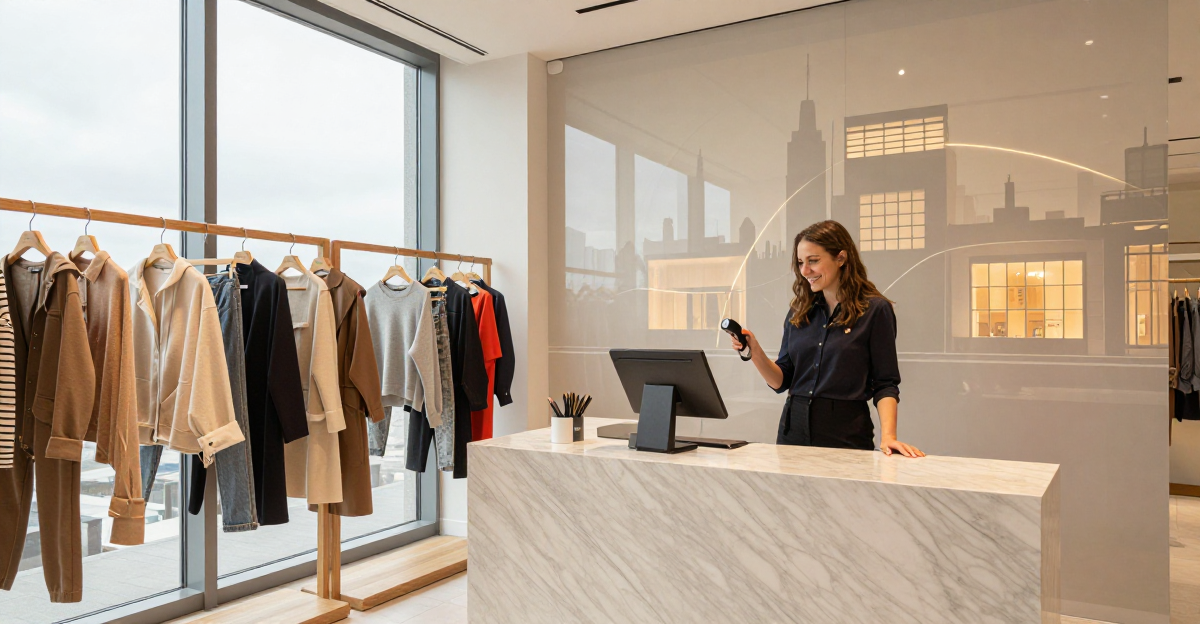
Top 7 POS Systems for Apparel Stores with Multiple Locations – 2026 Buyer’s Guide
Running a fashion boutique chain in 2026 feels like juggling runway shows, seasonal drops, and a growing list of storefronts—all while keeping the cash register humming and the stockroom organized. That’s why finding the best POS system for apparel stores with multiple locations is no longer a nice‑to‑have, but a survival skill. Whether you’re scouting the best POS system for multiple stores, the best POS system for boutique owners, or a cloud POS for clothing stores that syncs sales in real time, the right platform can turn chaotic checkout lines into smooth, data‑driven experiences.
In this 2026 buyer’s guide we break down exactly what you need to look for: essential features like inventory management POS, robust POS integration with e‑commerce platforms, and fashion‑focused analytics that reveal which styles are selling hot and which are gathering dust. We’ll compare the top 7 POS systems side‑by‑side, show how each handles multi‑location inventory, spotlight the hardware choices that suit boutique floors, and hand you an implementation checklist plus best‑practice tips. Finally, we’ll glance at future trends—AI‑driven styling suggestions, omnichannel loyalty programs, and next‑gen cloud POS that promise to keep your apparel empire ahead of the curve.
Understanding Multi‑Location Apparel Retail Needs
Running a chain of fashion boutiques means every SKU, employee shift, and sales figure must move in lockstep across all locations. When inventory data lags, a customer in one store may be shown as “in stock” while the item has already sold out elsewhere, leading to lost sales and damaged brand trust. That’s why a cloud POS for clothing stores that offers real‑time inventory synchronization is non‑negotiable for the best POS system for apparel stores with multiple locations.
Beyond stock levels, multi‑location retailers need a single console to:
- Manage staff schedules and permissions centrally – assign roles, set floor‑plan access, and adjust clock‑in rights from one dashboard, reducing admin overhead.
- Consolidate sales reporting and real‑time analytics – pull daily or weekly performance across all boutiques into one POS analytics view, spotting top‑selling styles instantly.
- Scale effortlessly – add new storefronts without reinstalling software; a true multi‑location retail POS grows with your brand from two to twenty locations.
- Integrate essential tools – seamless POS integration with e‑commerce, accounting, and loyalty apps ensures every transaction feeds the same customer profile.
When these capabilities sit on reliable POS hardware for boutiques—barcode scanners, mobile terminals, and receipt printers that sync automatically—the entire operation runs like a runway show, ready for the season’s collection.
Because fashion cycles shift in weeks, the best POS system for multiple stores must also pull data from your e‑commerce storefront, accounting software, and loyalty apps without manual uploads. This unified flow eliminates duplicate entry, cuts errors, and gives you agility to restock hot items across every boutique.
Key Features to Look for in a POS System for Apparel Chains
When you operate an apparel chain, the best POS system for apparel stores with multiple locations must do more than ring up sales. It should act as a single source of truth for every size, color, and seasonal drop, while giving managers the flexibility to run promotions from any device.
- Real‑time inventory with size/color variant tracking – A modern inventory management POS updates stock the instant a shirt sells in New York or a dress ships from Los Angeles, preventing oversell and enabling instant transfers.
- Omnichannel capabilities – in‑store, online, pop‑up – Seamless POS integration with e‑commerce platforms (like Shopify) unifies brick‑and‑mortar and digital sales, so customers can buy online, pick up in‑store, or return anywhere.
- Built‑in loyalty programs for fashion shoppers – Loyalty engines that reward repeat purchases, birthday discounts, and style‑based points keep the best POS system for boutique customers engaged.
- Advanced reporting – sell‑through, markdowns, seasonal trends – POS analytics for fashion provide dashboards showing fast‑moving colors, clearance needs, and promotion impact on revenue.
- Mobile and cloud access – A cloud POS for clothing stores lets managers monitor performance, approve transfers, and schedule staff from any device.
Choosing a solution that checks all these boxes positions your brand as the best POS system for multiple stores and the go‑to POS for apparel retailers. Look for hardware that blends into boutique aesthetics – sleek card readers, barcode scanners that handle small tags, and receipt printers that fit tight spaces – to complete the POS hardware for boutiques package.
Top 7 POS Systems Compared (2026)
Below is a side‑by‑side look at the seven platforms that consistently rank as the best POS system for apparel stores with multiple locations in 2026.
- Lightspeed Retail – Offers strong inventory control, multi‑store pricing tiers, and a cloud‑based dashboard that gives real‑time POS analytics for fashion. Its robust inventory management POS tools make it a top choice for the best POS system for multiple stores.
- Vend by Lightspeed – Features an intuitive UI and seamless POS integration with e‑commerce platforms, syncing online Shopify or BigCommerce catalogs instantly. Ideal for the best POS system for boutique looking for a smooth omnichannel flow.
- Shopify POS – Provides a native bridge to Shopify Plus, delivering global scalability and unified customer profiles. As a cloud POS for clothing stores, it excels at real‑time stock updates across all locations, making it a strong contender for the best POS system for retail clothing store.
- Clover – Flexible hardware ecosystem with sleek POS hardware for boutiques. Its app marketplace adds loyalty and employee management, suitable for stores that prioritize foot traffic and quick checkout.
- Square for Retail – Affordable starter plan with easy multi‑location retail POS add‑ons. The built‑in reporting suite and simple inventory transfer keep costs low for growing chains.
- Revel Systems – Enterprise‑grade features, advanced reporting, and a powerful POS analytics for fashion engine. It shines for larger apparel chains that need custom workflows and deep data insights.
- Retail Pro – Highly customizable, supporting complex SKU structures and extensive permission sets. Its centralized dashboard makes it perfect for the best POS system for apparel retailers with 10+ locations.
All seven solutions are cloud‑based, support POS integration with e‑commerce, and include the hardware options needed for a boutique environment. When choosing the best POS system for apparel stores with multiple locations, weigh inventory depth, reporting granularity, and scalability against your brand’s growth roadmap.
How Each System Handles Multi‑Location Inventory
Centralized stock dashboard and automatic stock transfers. Low‑stock alerts and auto‑reorder triggers per store. Batch updates for seasonal collections across locations. Integration with ERP or WMS for larger distributors. Real‑time visibility to prevent overselling
Integrations That Matter for Clothing Stores
Integrations are the backbone of any POS for apparel retailers, especially when you run multiple boutiques across different cities. The best POS system for apparel stores with multiple locations must connect to the tools you already use, turning scattered data into actionable insights.
- E‑commerce platforms – Shopify, BigCommerce, WooCommerce: real‑time sync of sales, inventory and customer profiles creates an omnichannel experience, for a cloud POS for clothing stores.
- Accounting software – QuickBooks Online, Xero: automatic posting of daily sales, taxes and fees eliminates manual bookkeeping, a hallmark of the best POS system for multiple stores.
- CRM & email marketing – Klaviyo, Mailchimp: purchase history flows from the POS to trigger campaigns and loyalty rewards, boosting repeat visits for the best POS system for boutique owners.
- Supplier portals – drop‑shipping and purchase‑order modules let you reorder fabrics or accessories with a single click, keeping your inventory management POS fast and error‑free across locations.
- Loyalty & gift‑card solutions – or third‑party tools track rewards and redemptions across stores, a feature that sets top multi‑location retail POS apart.
When these integrations work together you gain POS analytics for fashion, unified reporting, and confidence that your POS hardware for boutiques is ready for growth.
Implementation Checklist & Best Practices
When you’re ready to roll out the best POS system for apparel stores with multiple locations, a disciplined implementation plan can mean the difference between a smooth launch and costly downtime.
- Data migration – Clean up SKUs, consolidate product attributes, and import historical sales so your inventory management POS starts with accurate numbers.
- Hardware selection – Choose barcode scanners, RFID readers, and receipt printers that are proven for boutiques; reliable POS hardware for boutiques reduces checkout friction.
- Staff training & role‑based access – Deploy modular training sessions and set permissions per store manager, sales associate, and inventory clerk to protect data across a multi‑location retail POS network.
- Phased rollout – Launch a pilot store first, validate sync with your e‑commerce platform, then expand to the full chain. This staged approach safeguards the cloud POS for clothing stores rollout.
- Testing payment flows, inventory sync, and backups – Run end‑to‑end transactions, verify real‑time stock updates, and schedule automated backups to avoid data loss.
- Ongoing support & SLA – Negotiate service‑level agreements that cover 24/7 support, software updates, and POS analytics for fashion reporting to keep every location performing.
Following this checklist not only ensures the best POS system for multiple stores is up and running quickly, but also lays the groundwork for scalable growth and unified reporting across all your apparel locations.
Future Trends: What to Expect from POS in Apparel Retail
As fashion brands expand beyond a single storefront, the checkout technology must stay ahead of consumer expectations. The best POS system for apparel stores with multiple locations, a core POS for apparel retailers, will handle today’s transactions and anticipate 2026 trends.
- AI‑driven sales forecasting and size‑mix recommendations – machine‑learning suggests optimal inventory mixes per store, cutting markdowns and boosting POS analytics for fashion boutiques.
- Contactless & biometric payments – NFC, QR‑code, and fingerprint readers speed lines and add security, fitting the best POS system for boutique and multi‑location retail POS architecture.
- AR/VR try‑on linked to checkout – shoppers visualize outfits in‑store or on mobile, and the virtual selection updates a cloud POS for clothing stores in real time.
- Mobile‑first POS terminals for pop‑up sales – tablets or smartphones act as full registers, perfect for the best POS system for multiple stores on the go.
- Sustainability tracking – carbon footprint per item sold – real‑time reports let retailers measure impact, a feature demanded by the best POS system for retail clothing store market.
Choose a platform that combines these features with robust inventory management POS and seamless POS integration with e‑commerce. This ensures your brand stays competitive across every location and meets modern shopper expectations.
Conclusion
Choosing the right POS solution is the single most strategic decision for any fashion boutique chain in 2026. Across the guide we highlighted how a multi‑location retail POS must combine robust inventory management POS capabilities, seamless POS integration with e‑commerce platforms, real‑time POS analytics for fashion trends, and reliable POS hardware for boutiques. The seven platforms we compared all deliver a cloud POS for clothing stores, but the best POS system for apparel stores with multiple locations stands out by offering a centralized stock control, employee scheduling across stores, and omnichannel reporting that keeps every boutique on the same page.
To move forward, start by mapping your specific pain points—whether it’s stock outs, inconsistent pricing, or fragmented loyalty data—and then match those needs against the feature checklists of the best POS system for multiple stores. Schedule demos, run a pilot in one location, and use the implementation checklist to configure integrations, train staff, and set up analytics dashboards. By treating the rollout as a phased project and continuously measuring key metrics, you’ll turn your POS into a growth engine that scales with your brand, ensuring every new collection lands on the floor as smoothly as it lands on the runway.