How to Customize Your Shopify Store Without Coding: A Step‑by‑Step Guide for 2023
In the sections that follow, you’ll master the Shopify theme editor, learn how to customize Shopify fonts and colors through built‑in theme settings
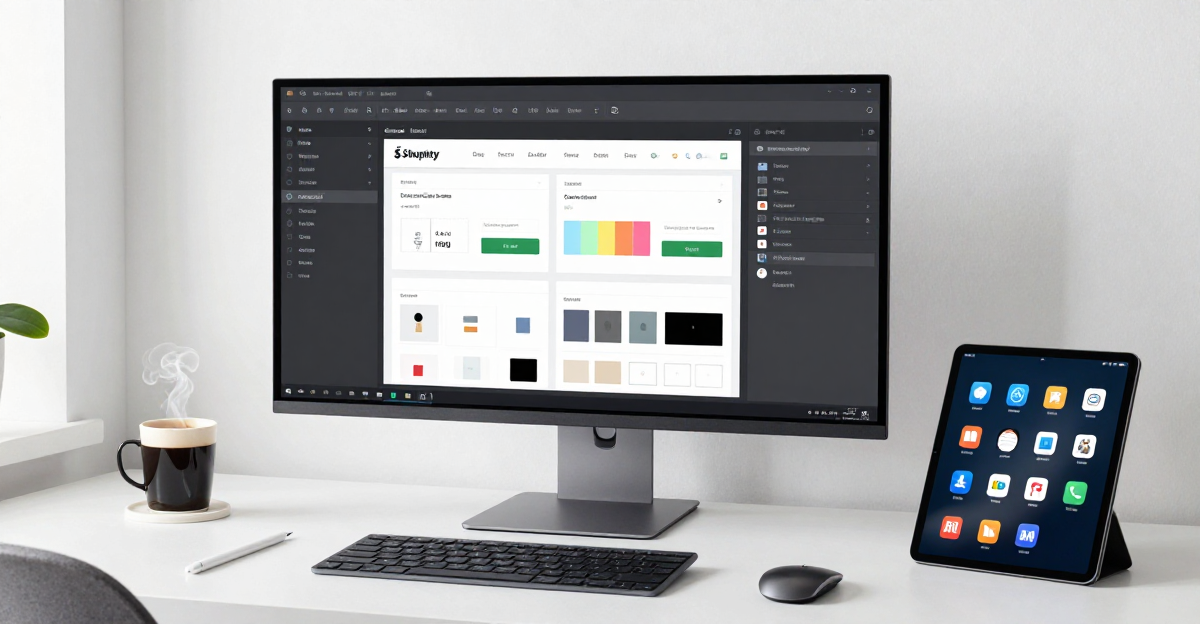
Imagine launching a stunning Shopify storefront in 2023 without writing a single line of code. That’s exactly what “How to Customize Your Shopify Store Without Coding” promises – a practical, step‑by‑step guide that taps into the power of the Shopify theme editor, intuitive design settings, and a growing ecosystem of no‑code tools. Whether you’ve searched for “how to customize your shopify store design” or “how to customize your shopify store 2023,” you’ll discover why no‑code customization matters more than ever for speed, budget, and brand consistency.
In the sections that follow, you’ll master the Shopify theme editor, learn how to customize Shopify fonts and colors through built‑in theme settings, and unlock the flexibility of Shopify sections and blocks for page‑by‑page design. We’ll also explore the best no‑code Shopify apps and a Shopify page builder that let you add advanced functionality without developers, and finish with a quick testing, optimization, and publishing checklist. By the end of this Shopify store customization tutorial, you’ll have a fully branded, high‑converting store ready to attract customers and scale your business.
Introduction – Why No‑Code Customization Matters
Shopify’s platform is built for merchants who aren’t developers, offering a shopify theme editor and Shopify sections and blocks that let you shape every page without touching a line of code.
Choosing a no‑code Shopify apps or a Shopify page builder means you can launch changes in minutes, keep costs low, test new layouts whenever you like, and learn how to customize your shopify store design.
By the end of this Shopify store customization tutorial you will be able to:
- Upload a logo and customize Shopify fonts and colors to match your brand.
- Rearrange homepage sections using the shopify theme editor and Shopify sections and blocks.
- Add functional features with no‑code Shopify apps such as page builders, pop‑ups, and review widgets.
- Maintain and tweak your design, knowing exactly how to customize your shopify store 2023 trends.
This guide will walk you through each step, so if you’ve never edited a website before, you’ll finish with a storefront and the skills to keep it fresh.
1. Master the Shopify Theme Editor
Mastering the Shopify Theme Editor is the fastest way to answer the question How to Customize Your Shopify Store Without Coding. From the admin dashboard, click Online Store → Themes and hit the Customize button. This opens the Shopify theme editor, a visual canvas where every change appears instantly.
On the left‑hand side you’ll see three main tabs:
- Sections – the building blocks of your homepage and other pages. Here you can add, reorder, or remove Shopify sections and blocks such as slideshows, featured products, or testimonials.
- Theme Settings – global options for customize Shopify fonts and colors, button styles, and checkout appearance.
- Header / Footer – dedicated controls for navigation menus, logo upload, and social icons.
The right pane shows a live preview of your store. Adjustments you make are saved automatically, but they remain unpublished until you click Save. This separation lets you experiment without affecting shoppers.
Quick win: If you need a fresh look in seconds, scroll to the top of the editor, click Theme library, and select a pre‑built template. One click swaps the entire design while preserving your products and settings—perfect for “how to customize your shopify store 2023” on a tight schedule.
Combine these steps with a Shopify page builder or no‑code Shopify apps for deeper tweaks, and you’ll have a fully personalized storefront without touching code.
2. Customize Fonts, Colors, and Layout with Theme Settings
Answering “How to Customize Your Shopify Store Without Coding” starts with the visual basics—fonts, colors, and layout. The Shopify theme editor lets you adjust these elements instantly, no code required.
In the Fonts panel, pick a primary typeface from the Google library and, if you wish, a secondary font for accents. This simple step lets you customize Shopify fonts and colors to match your brand.
Next, open the Colors section and assign a primary hue for headings and navigation, a secondary shade for backgrounds, and an accent color for buttons and links. Paste HEX codes to keep the palette exact.
You can also tweak spacing, button style, and container width under Layout. Adjust padding for more breathing room, choose rounded or square buttons, and set a max‑width so pages stay balanced on any device.
- Open the theme editor → Typography → Fonts.
- Select primary and secondary fonts, then Save.
- Go to Colors, set primary, secondary, and accent colors.
- Adjust spacing, button radius, and container width in Layout.
- Publish the changes.
Remember to click Save after each change; the theme editor automatically updates the preview so you can see the impact before publishing.
These steps give you a solid foundation for how to customize your shopify store design in 2023 and prepare you for deeper work with shopify sections and blocks or a Shopify page builder later.
3. Leverage Shopify Sections & Blocks for Page‑by‑Page Design
When you ask how to customize your Shopify store without coding, the quickest answer is to master Shopify sections and blocks. Think of sections as the building blocks that appear across the entire site (header, footer, or a global announcement), while blocks are the smaller pieces you place inside a section—like a single product card, a testimonial, or a video embed.
Adding, rearranging, and duplicating sections on the Home page is as simple as opening the Shopify theme editor and clicking “Add section.” Choose from pre‑made options such as Image with text overlay, Featured collection, or Slideshow. Drag the section up or down to reorder, and use the duplicate icon to reuse a layout you love on another page.
- Use the “Add block” feature inside any section to insert product grids, customer reviews, or videos without touching a line of CSS.
- For a product grid, select the “Featured product” block, then pick the collection you want to showcase.
- Testimonials become a “Rich text” block with a star rating image, and videos are added via the “Video” block using a YouTube or Vimeo URL.
Responsive design tips (no‑code): enable the “Mobile visibility” toggle for each block, keep image ratios consistent, and rely on the theme’s built‑in grid system. If you need extra flexibility, explore no‑code Shopify apps or a Shopify page builder that offers drag‑and‑drop responsiveness out of the box.
By mastering sections, blocks, and the theme editor, you’ll answer “how to customize your Shopify store design” and “how to customize your Shopify store 2023” with confidence—no developer required.
4. Enhance Functionality with No‑Code Apps and Page Builders
After mastering the Shopify theme editor and the built‑in Shopify sections and blocks, which already let you customize Shopify fonts and colors, the next phase in the How to Customize Your Shopify Store Without Coding guide is to use no‑code Shopify apps. Page‑builder apps let you design landing pages, while widgets add features without any code.
- Shogun – Premium page builder with drag‑and‑drop sections and SEO‑friendly output. Pros: fast, robust support. Cons: higher price.
- PageFly – Free tier available, visual editor works on any theme. Pros: many elements, easy duplication. Cons: occasional mobile glitches.
- LayoutHub – Ready‑made sections you can drop in. Pros: quick setup, low cost. Cons: limited customization.
To add a page‑builder app and create a custom landing page:
- In Shopify admin, go to Apps → Visit Shopify App Store and search for the app.
- Click Add app, approve permissions, and install.
- Open the app, choose “Create New Page,” and drag elements (images, text, CTA buttons) onto the canvas.
- Save and link the page in your navigation or use its URL in campaigns.
You can also embed third‑party widgets—reviews, countdown timers, social feeds—by inserting the snippet the app provides into a Shopify page builder block or the Shopify theme editor.
Keep performance in mind: regularly review installed apps, disable those you don’t need, and test speed with tools like Google PageSpeed Insights. A lean app stack helps maintain fast load times, which benefits SEO and conversions. This step is part of our full Shopify store customization tutorial.
5. Test, Optimize, and Publish Your Custom Store
Before you hit “Publish,” take a moment to preview your store on every device. The Shopify theme editor lets you toggle between desktop, tablet, and mobile views, so you can verify that customize Shopify fonts and colors and layout adjustments look crisp everywhere.
Next, run a performance check. Shopify’s built‑in Speed Analyzer gives you a quick score, and you can copy the URL into Google PageSpeed Insights for deeper recommendations. Faster pages improve SEO and keep shoppers from bouncing.
For data‑driven decisions, set up simple A/B tests. Using the free analytics in Shopify, you can duplicate a page, change a headline, button color, or section order, and compare conversion rates. This is a core part of any Shopify store customization tutorial that teaches how to customize your shopify store design without writing code.
- SEO settings: confirm meta titles, descriptions, and canonical tags are unique.
- Alt text: add descriptive alt attributes to every image for accessibility and search visibility.
- Accessibility: check contrast ratios, keyboard navigation, and ARIA labels.
When the checklist is clear, click “Publish.” Your store is live, optimized, and ready—showing that you can master how to customize your shopify store 2023 using only the shopify theme editor, shopify sections and blocks, and no‑code Shopify apps or a Shopify page builder.
Enjoy your newly polished storefront!
Conclusion & FAQs – Your Quick Reference Guide
By now you’ve seen how easy it is to tailor your storefront using the Shopify theme editor, Shopify sections and blocks, and a few no‑code Shopify apps. Upload a logo, tweak fonts and colors, and rearrange homepage modules with a drag‑and‑drop builder—no coding required.
Below are the most common questions after a quick Shopify store customization tutorial:
- Can I revert changes if I don’t like them? Yes – every edit in the theme editor is saved as a draft. You can preview before publishing and, if needed, click “Revert to original” or switch back to a previously published version.
- Do I need a paid Shopify plan to use sections? All plans, including the free trial, support Shopify sections and blocks. Some advanced sections and third‑party page‑builder apps may need a Basic plan or higher.
- What’s the best app for custom product pages? Most merchants use visual page‑builder apps like Shogun or PageFly, which let you design product pages, add tabs, videos, and custom upsell blocks without code.
Keep experimenting—swap colors, test new layouts, and refresh your content often. The more you play with the theme editor and no‑code tools, the quicker you’ll find the perfect look for how to customize your Shopify store design in 2023.
Conclusion
By now you’ve seen that customizing your Shopify store without coding is completely achievable. The Shopify theme editor gives you instant control over fonts, colors, and layout, while sections and blocks let you design each page individually. No‑code apps and page builders add advanced functionality without a developer, and thorough testing ensures a flawless launch.
To put these techniques into practice, start by selecting a responsive theme that matches your brand identity. Open the theme editor, experiment with the font and color palettes, and rearrange sections until the homepage feels right. Next, install a trusted no‑code app or Shopify page builder to add features such as pop‑up forms, reviews, or product tabs. Always preview on desktop, tablet, and mobile, then publish and monitor key metrics like bounce rate and conversion to fine‑tune your design.
Remember, the power to create a unique, high‑performing storefront lies in your hands, not in a line of code. With the tools Shopify provides in 2023, you can continuously iterate, stay ahead of trends, and deliver an experience that turns visitors into loyal customers—no developer required.