Commercial Shopify vs Wix Ecommerce Comparison: Which Platform Wins for Your Business
In this guide we break down the most critical factors: Shopify pricing versus Wix ecommerce features, core functionality and scalability, design themes and brand‑ready customization
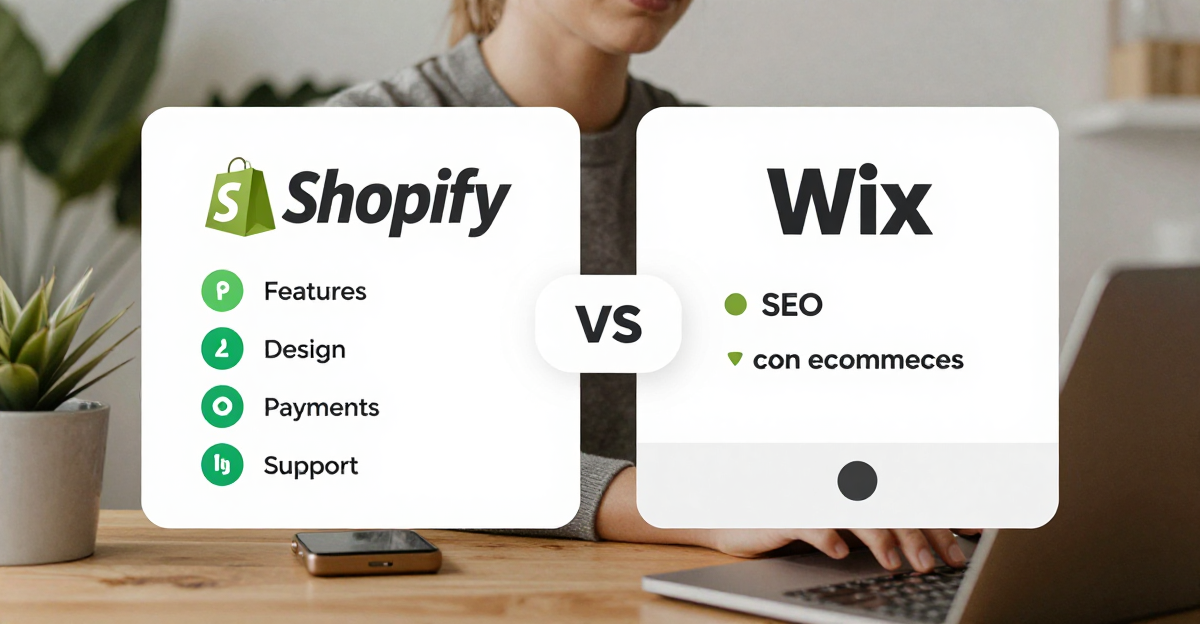
Choosing the right ecommerce engine can feel like a high‑stakes gamble, especially when the market is buzzing with searches for “compare shopify and wix” and “ecommerce wix vs shopify.” Whether you’re launching a boutique brand or scaling a multi‑million‑dollar catalog, the decision between Shopify and Wix will shape everything from checkout speed to long‑term growth potential. That’s why a commercial Shopify vs Wix ecommerce comparison matters more than ever for businesses that refuse to leave profits to chance.
In this guide we break down the most critical factors: Shopify pricing versus Wix ecommerce features, core functionality and scalability, design themes and brand‑ready customization, Shopify vs Wix SEO and marketing tools, Shopify vs Wix payment gateways and fulfillment options, plus the quality of customer support and resources. By the end you’ll know which platform—Shopify Plus or Wix Enterprise—delivers the best commercial ecommerce platform for your business and why the verdict matters for your bottom line.
Introduction: Why a Commercial Comparison Matters
Shopify and Wix are two of the most popular hosted ecommerce solutions on the market today. Shopify is renowned for its robust Shopify pricing tiers, extensive app ecosystem, and enterprise‑grade features such as Shopify Plus. Wix, on the other hand, offers a drag‑and‑drop website builder paired with a growing set of Wix ecommerce features, making it attractive for businesses that prioritize design flexibility.
Choosing the right platform is especially crucial for commercial ecommerce platforms. A misstep can limit Wix vs Shopify scalability, hurt Shopify vs Wix SEO performance, and create costly complications with Shopify vs Wix payment gateways. Enterprises need a solution that can handle high traffic spikes, multi‑store operations, and complex fulfillment workflows without sacrificing speed or security.
In this Shopify vs Wix ecommerce comparison, we’ll answer the following questions:
- Which platform offers the most cost‑effective Shopify pricing and value for a growing business?
- How do the core Wix ecommerce features compare to Shopify’s native tools?
- What are the differences in SEO capabilities between Shopify and Wix?
- Which payment gateway integrations provide the best rates and flexibility?
- How do Shopify Plus and Wix Enterprise stack up for large‑scale operations?
- Ultimately, which is the best ecommerce platform for business needs?
Pricing & Plans: Cost Structure for Growing Businesses
When you compare Shopify vs Wix ecommerce platforms, cost is a top concern. Understanding these costs early helps you avoid surprise bills as sales increase. Below is a quick snapshot of each provider’s pricing and hidden expenses.
- Shopify pricing – four tiers:
- Basic: $29/mo, 2 % external fee, 2.9 %+30¢ card rate.
- Shopify: $79/mo, 1 % external fee, 2.6 %+30¢.
- Advanced: $299/mo, 0.5 % external fee, 2.4 %+30¢.
- Plus: custom pricing (≈$2k‑$2.5k/mo), no transaction fees, dedicated support.
- Wix ecommerce plans – three tiers + Enterprise:
- Business Basic: $23/mo, 2.9 %+30¢, no extra gateway fee.
- Business Unlimited: $27/mo, same card fee, extra app discounts.
- Business VIP: $49/mo, priority support, more storage.
- Enterprise: custom quote, includes advanced SEO and API access.
- Transaction fees – Shopify adds a 0.5‑2 % surcharge when you use a non‑Shopify gateway; Wix has no gateway surcharge but often requires paid apps for checkout, inventory or SEO. Both charge for premium themes, third‑party apps and extra bandwidth.
- Scalability – High‑volume stores quickly outgrow Wix’s flat‑rate plans as add‑on costs rise. Shopify’s tiered model and Plus option scale with traffic spikes, multi‑store setups and global payment gateways, offering more flexibility for growth. Both platforms also provide built‑in SSL and PCI compliance at no extra charge.
Core Features & Functionality: What Each Platform Offers
In a direct Shopify vs Wix ecommerce comparison, how each platform handles product catalog, inventory and variants is a key differentiator.
- Product & inventory – Shopify’s dashboard tracks stock in real time and supports unlimited SKUs; Wix offers basic inventory tools suitable for smaller catalogs.
- Variants & digital goods – Shopify allows unlimited variant combinations and native digital‑download support. Wix caps variants at 100 and needs an app for digital products.
- App ecosystem – The Shopify App Store provides thousands of extensions, from SEO to payment gateways, while Wix’s App Market is smaller but covers essential needs.
- Built‑in B2B & wholesale – Shopify Plus includes wholesale channels, multi‑currency pricing and tiered pricing out of the box; Wix Enterprise adds limited B2B features that often require add‑ons.
- Limitations & required integrations – Wix’s scalability can stall at higher order volumes, making Wix vs Shopify scalability a concern. Advanced ERP, SEO or specialized payment gateway integrations are usually native in Shopify but may need third‑party apps on Wix.
These core capabilities give Shopify an edge in the best ecommerce platform for business debate, especially for brands considering Shopify Plus vs Wix Enterprise upgrades. It also supports stronger SEO and more flexible payment gateways.
Design, Themes & Customization: Building a Brand‑Ready Store
When you weigh Shopify vs Wix ecommerce comparison the look and feel of your storefront often decides whether visitors stay or leave. Both platforms offer a library of ready‑made designs, but the depth and flexibility differ markedly.
- Theme variety and quality: Shopify’s Theme Store offers 70+ professional, conversion‑focused themes built for speed. Wix has hundreds of templates, but they are often more generic and lack some advanced e‑commerce features.
- Customization engine: Wix’s drag‑and‑drop editor lets anyone reshape pages instantly. Shopify combines a visual editor for simple tweaks with Liquid code for pixel‑perfect control.
- Responsive design & performance: All Shopify themes are mobile‑first and optimized for fast loading, boosting Shopify vs Wix SEO. Wix templates are responsive but can load slower during traffic spikes.
- Brand uniqueness without code: Both let you change logos, colors, fonts. Shopify Plus vs Wix Enterprise adds custom checkout scripts and multi‑store theming for larger brands, all without hiring developers.
Overall, if the best ecommerce platform for business hinges on a blend of polished design, scalability, and the ability to fine‑tune without heavy code, Shopify generally pulls ahead, while Wix remains a solid choice for small‑scale, visually‑driven sites.
SEO & Marketing Tools: Driving Traffic at Scale
Both Shopify and Wix include Shopify pricing SEO tools, but the level of control matters in a Shopify vs Wix ecommerce comparison. Shopify lets you edit meta titles, descriptions, alt tags and creates XML sitemaps automatically, while Wix offers a guided SEO wizard that handles basics and produces URLs. For businesses that need granular Shopify vs Wix SEO tweaks—like canonical tags—Shopify’s dashboard has the edge.
Shopify’s blog engine is fully integrated with product pages, enabling internal linking and schema‑rich articles that boost organic visibility. Wix’s blog is Wix ecommerce features flexible and ties into its drag‑and‑drop editor, but it lacks some SEO plugins that power users expect from a ecommerce platform.
Shopify includes automation, abandoned‑cart recovery, loyalty‑program apps and its Shopify vs Wix payment gateways, which scale. Wix offers tools, but they rely on integrations that can add latency as you grow.
- Google Shopping & Facebook Ads: Shopify’s payment gateways generators and Facebook channel app push product data to ad platforms, cutting work. Wix’s connector for Google Merchant Center is less streamlined.
- Scalability: In a Wix vs Shopify scalability test, Shopify’s infrastructure handles traffic spikes without extra configuration, an advantage for the best ecommerce platform for business aiming to scale.
Payments, Shipping & Fulfilment: Handling Orders Efficiently
When you compare Shopify vs Wix ecommerce comparison, the next step is how each system actually processes orders. Efficient payment processing and reliable fulfillment are the backbone of any best ecommerce platform for business.
Shopify Payments offers a built‑in gateway for Visa, Mastercard, Apple Pay and many local methods, plus Stripe, PayPal or Authorize.net under the standard Shopify pricing; currency conversion and fraud protection are included. When comparing Shopify vs Wix payment gateways, Shopify’s broader selection often wins.
Wix Payments handles major cards, PayPal, iDEAL and Alipay natively, and lets you add external gateways such as Square or Braintree when needed—key Wix ecommerce features for flexibility.
Shopify provides real‑time rates from UPS, FedEx and DHL, plus dropshipping apps and integrations with ShipBob and Amazon FBA. Wix offers a similar calculator and dropshipping via its Marketplace. These tools make both commercial ecommerce platforms competitive.
- Compliance, taxes and multi‑warehouse inventory are handled automatically with VAT/GST calculation and PCI‑DSS compliance.
In this ecommerce platform comparison, Shopify’s broader gateway network and deeper fulfillment integrations tip the scale for high‑volume merchants, while Wix offers a simpler, cost‑effective package for smaller stores; the scalability of Wix vs Shopify is evident as Shopify Plus powers enterprise traffic and Wix Enterprise supports mid‑size growth.
Customer Support & Resources: Keeping Your Business Running
When you evaluate a Shopify vs Wix ecommerce comparison, reliable support can mean the difference between smooth launch and costly downtime.
- 24/7 support channels – Shopify offers live chat, phone, and email 24/7; Wix provides chat and email with phone support during business hours. Both aim to resolve urgent issues quickly, though Shopify’s phone line is always available for higher‑tier plans.
- Community & knowledge bases – Shopify’s Help Center, forums, and developer docs cover most questions for commercial ecommerce platforms. Wix offers a similar Help Center, forums, and tutorials focused on Wix ecommerce features.
- Onboarding & migration – Shopify Plus includes a dedicated specialist, migration tools, and training programs. Wix Enterprise provides migration assistance and webinars, but Shopify’s personalized support is deeper for enterprise users.
- SLAs – Shopify Plus guarantees uptime and response‑time SLAs for enterprise customers; Wix Enterprise offers comparable SLAs with fewer custom‑contract options.
Overall, the breadth of support resources is a key factor in deciding the best ecommerce platform for business. If you need round‑the‑clock assistance and robust SLAs, Shopify’s enterprise offering often outpaces Wix, especially when scaling quickly. When you also consider Shopify vs Wix SEO tools and Shopify vs Wix payment gateways, the support ecosystem becomes even more critical.
Final Verdict: Which Platform Is Right for Your Commercial Needs?
Shopify offers tiered Shopify pricing that scales from startups to enterprise, with Shopify Plus vs Wix Enterprise for high‑volume B2C brands. Its strengths include a vast app ecosystem, granular Shopify vs Wix SEO control, and many Shopify vs Wix payment gateways. The downside is higher monthly fees for premium plans and occasional transaction fees.
Wix provides an all‑in‑one package with drag‑and‑drop design and solid Wix ecommerce features. It fits niche markets, small B2B catalogs, and brands testing international expansion on a tight budget. Its limitation is Wix vs Shopify scalability; larger catalogs and flash‑sale traffic can strain the platform, and SEO granularity is weaker than Shopify’s.
- High‑volume B2C: Shopify (or Shopify Plus) for global storefronts and complex checkout.
- B2B or niche boutique: Wix offers a cost‑effective, easy‑to‑launch solution.
- International growth & scalability: Shopify’s multi‑currency, multi‑language support outpaces Wix.
In this ecommerce platform comparison, the choice hinges on your growth trajectory. Both platforms are leading commercial ecommerce platforms. Overall, if your budget allows for a scalable infrastructure and you aim for growth, Shopify is the best ecommerce platform for business. For smaller operations with modest traffic, Wix delivers a start. Ready to decide? Start a Shopify trial, explore Wix’s demo, or download our migration guide.
Conclusion
In this Shopify vs Wix ecommerce comparison we discovered that Shopify’s robust app ecosystem, advanced Shopify Plus tier, and deep SEO and payment gateway integrations make it the go‑to choice for fast‑growing commercial ecommerce platforms, while Wix ecommerce features shine for small‑to‑mid‑size brands that prioritize visual design, intuitive drag‑and‑drop editing, and an all‑in‑one pricing model. Shopify pricing scales predictably from the Basic plan up to Shopify Plus, giving enterprises the flexibility to add capacity as they expand, whereas Wix offers a simpler tier structure that bundles hosting, themes, and support, which can be attractive for budget‑conscious startups.
To turn these insights into action, start by mapping your current sales volume, expected growth rate, and the specific integrations you need—such as Shopify vs Wix payment gateways or third‑party logistics. Next, sign up for the free trial periods, build a minimal viable store on each platform, and run a side‑by‑side test of checkout speed, SEO performance (Shopify vs Wix SEO tools), and theme customization. Finally, compare the total cost of ownership using the detailed Shopify pricing tables and Wix ecommerce pricing, and weigh the long‑term scalability of Wix vs Shopify for your projected traffic.
Whether you aim to become the next market leader or simply need a beautiful storefront that can launch today, the right commercial ecommerce platform will be the one that aligns with your growth roadmap, budget, and brand vision. Choose wisely, and your online store will not just survive the competition—it will set the standard for what a modern, scalable ecommerce experience looks like.